
Real Estate Mediation in
Southern California
Protect Your Property. Resolve the Conflict. Move Forward.

Real Estate Mediation in Los Angeles
A property dispute can put much more than money at risk. It can affect your home, your business, your relationships, and your peace of mind.
At SoCal Mediation Center, we help people throughout Los Angeles County, Orange County, and Southern California work toward practical real estate settlements without unnecessary courtroom conflict.
You do not need an agreement before you contact us. You need a structured way to explore one.
When Property Problems Start Taking
Over Your Life
Maybe a sale has fallen apart. A neighbor is blocking access, a tenant and landlord cannot agree
on repairs, or a co-owner refuses to discuss what happens next.
The uncertainty can be exhausting.
01
Will this dispute delay a sale or keep me from using my property?
02
How much will I spend before there is a resolution?
03
Can we reach an agreement without making the relationship worse?
Litigation can mean formal demands, depositions, hearings, and mounting expenses. Mediation offers a different
setting: a focused conversation with a neutral professional who helps the parties explore settlement rather than
impose a result.
A More Practical Path to
Resolution
Keep Control of Settlement
You decide whether to accept proposed terms; the mediator does not decide who wins.
Explore More Than a Payment
Discuss repairs, access arrangements, buyouts, sale terms, and workable deadlines.
Look for Savings in Time and Cost
A settlement may avoid further litigation expense; outcomes and savings are not guaranteed.
Discuss Sensitive Issues Privately
California mediation confidentiality has legal limits; existing evidence and some settlement or recorded documents may still be disclosed.
Real Estate Mediation Services
Real estate conflicts rarely fit neatly into one category.
01. Overview
Real Estate Disputes Overview
Real estate conflicts rarely fit neatly into one category. A failed sale may involve repairs, a title issue, and an earnest-money deposit; a disagreement between co-owners may involve income, expenses, and whether to sell.
We help organize the issues, identify missing information, and explore the decisions needed to move forward.

02. Purchase & Sale
Real Estate Purchase & Sale Disputes
When a transaction stalls or breaks down, mediation can create space to address the facts, documents, and practical choices.
Common Issues
- Seller disclosures, claimed misrepresentations, and undisclosed conditions
- Inspection findings, repair requests, and property-condition disagreements
- Earnest-money deposits, cancellation, and missed closing deadlines
- Financing, contingencies, escrow instructions, and contract performance
Possible solutions may include revised closing terms, repair arrangements, negotiated payments, or an agreed cancellation.
03. Boundary & Easement
Property Boundary & Easement Disputes
Access and boundary disagreements can disrupt daily life and long-standing neighbor relationships.
Common Issues
- Fences, walls, encroachments, and disputed boundary locations
- Driveway access, shared parking, and blocked entry
- Easement use, maintenance responsibilities, and access for repairs
- Drainage, landscaping, and related neighbor concerns
Mediation can help the parties discuss practical access, maintenance, documentation, and implementation terms.


04. Landlord–Tenant
Landlord–Tenant Disputes
Mediation can help property owners and tenants address immediate concerns while exploring workable next steps.
Common Issues
- Rent balances, payment arrangements, and security-deposit disagreements
- Repairs, habitability concerns, and property damage
- Lease terms, access, communication, and maintenance responsibilities
- Negotiated move-out dates or resolution of pending eviction disputes
The parties can explore payment, repair, access, or move-out arrangements that reflect the needs of the specific property and dispute.
05. Construction Defects
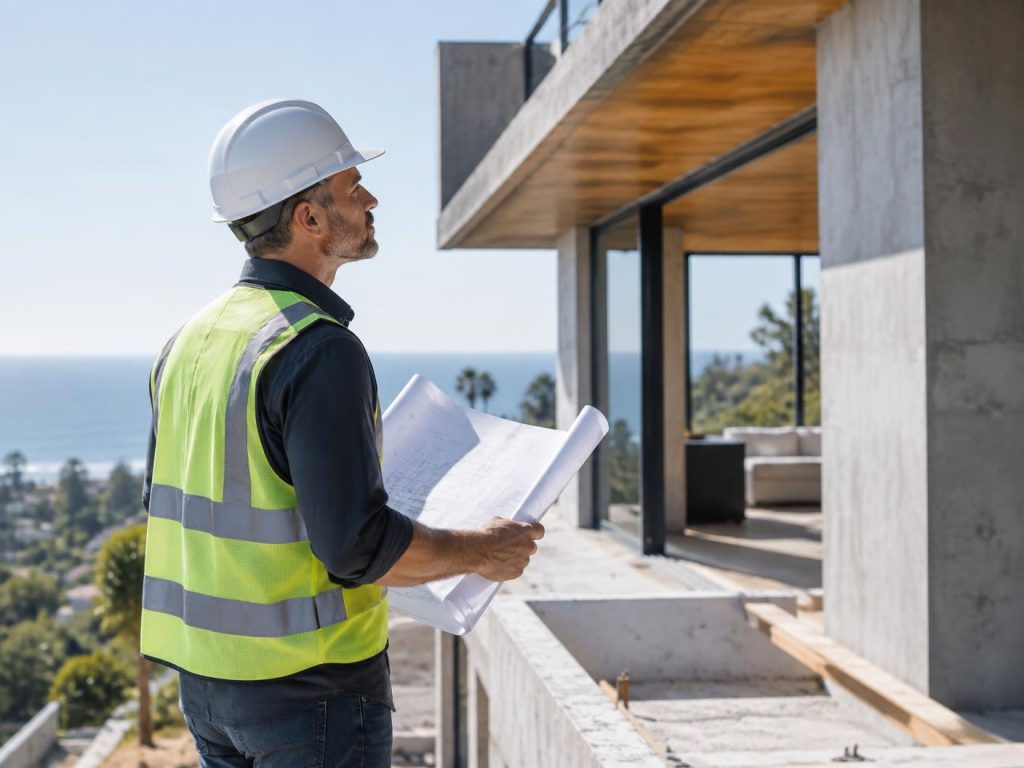
Construction Defect Disputes
Construction disputes often involve technical questions, multiple participants, and competing views of responsibility.
Common Issues
- Water intrusion, drainage issues, and claimed defective workmanship
- Incomplete repairs, disputed scopes of work, and warranty concerns
- Competing repair estimates and responsibility among multiple participants
- Repair access, scheduling, payment, and insurance-related settlement issues
A structured mediation can help organize technical information and focus discussion on repair, timing, access, and payment options.
06. HOA
HOA Disputes
Association disputes can affect homes, finances, shared spaces, and the wider community.
Common Issues
- Governing-document interpretation, rule enforcement, and architectural requests
- Maintenance responsibilities, water damage, and common-area repairs
- Assessment, fine, reimbursement, and accounting disagreements
- Access to records, neighbor complaints, and communication concerns
Mediation can support focused discussion about responsibilities, repairs, records, payment, and future communication.
07. Commercial Real Estate
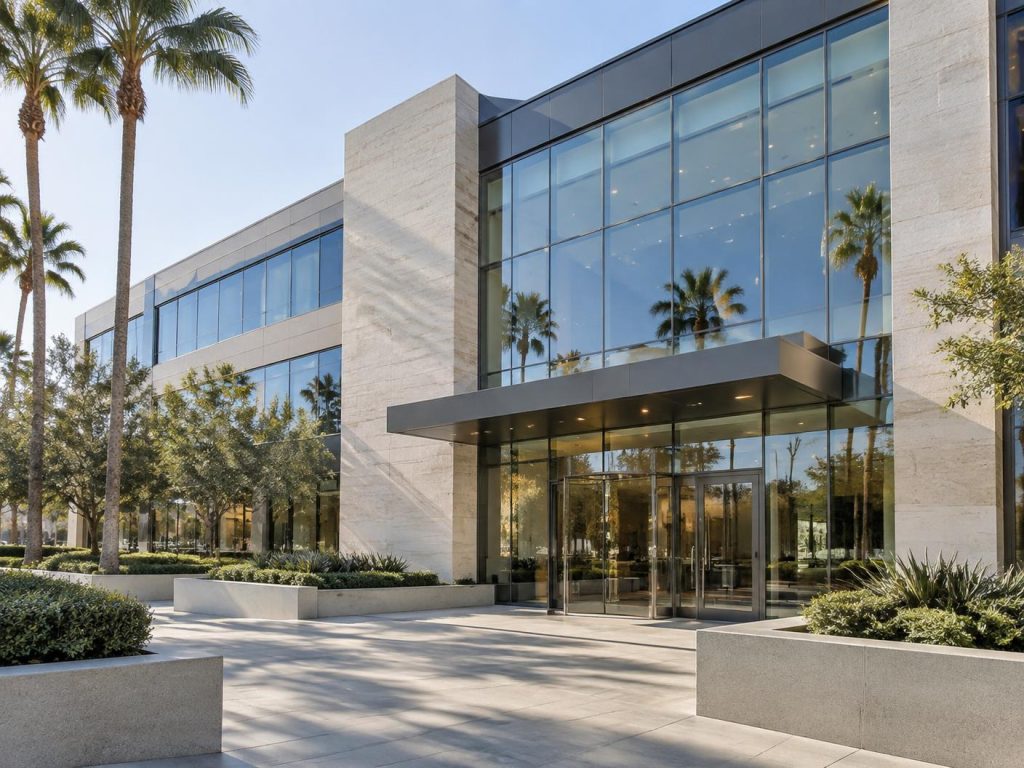
Commercial Real Estate Disputes
Commercial property conflicts often require business-focused terms that address both legal positions and operational realities.
Common Issues
- Commercial lease interpretation, rent, and operating-expense disputes
- Repairs, tenant improvements, maintenance, and property condition
- Purchase agreements, development obligations, and transaction delays
- Lease assignments, renewals, early termination, and negotiated exits
Mediation allows owners, tenants, and other decision-makers to explore practical terms in a focused setting.
08. Investment Property
Investment Property Disputes
When investment expectations diverge, unresolved financial and management questions can put the property and relationships under strain.
Common Issues
- Capital contributions, ownership expectations, and operating agreements
- Rental income, distributions, expenses, and access to financial records
- Management decisions, repairs, reserves, and refinancing proposals
- Buyouts, sale timing, valuations, and the terms of an investor's exit
Mediation can organize financial information and help participants evaluate buyout, management, refinancing, or sale options.
09. Title & Ownership
Title & Ownership Disputes
Ownership disputes can involve documents, financial contributions, family arrangements, and interests held by people who are not yet at the table.
Common Issues
- Disputed deeds, ownership percentages, and property transfers
- Claims involving liens, deeds of trust, or needed releases
- Claims asking a court to establish ownership
- Family ownership arrangements and disagreements about contributions
Mediation can help clarify disputed interests and explore the documentation and consents needed to carry out a resolution.

10. Partition
Partition Actions Mediation
One owner wants to sell. Another wants to stay. Meanwhile, the mortgage, taxes, repairs, and disagreements continue.
Common Issues
- Whether to pursue a buyout, an agreed sale, or another ownership arrangement
- Valuation, financing, buyout deadlines, and what happens if financing fails
- Broker selection, listing terms, repairs, access, and possession
- Disputed contributions, expenses, rental income, and allocation of proceeds
A mediated resolution can coordinate the financial, practical, and timing decisions required for a buyout, sale, or other ownership arrangement.
11. For Attorneys
Real Estate Mediation for Attorneys
We support counsel and clients with a structured setting for informed negotiation in pre-suit and pending matters.
Common Issues
- Pre-suit negotiations and mediation of pending litigation
- Preparation focused on key documents, damages, and disputed facts
- Coordination involving owners, entities, insurers, and other decision-makers
- Proposed terms addressing payment, performance, releases, and implementation
Counsel remain responsible for advising their clients and protecting legal deadlines. The mediator’s role is to support informed negotiation—not replace counsel, rule on the merits, or guarantee settlement.

A structured way forward
Our Real Estate Mediation Process
Step 01
Start With a Confidential Consultation
Tell us about the dispute and who is involved. We discuss suitability, conflict checks, fees, scheduling, and next steps.
Step 02
Gather the Information That Matters
Identify key documents such as contracts, deeds, leases, photographs, and financial records.
Step 03
Work Through the Issues
The mediator guides the conversation, identifies areas of agreement, and helps the parties explore alternatives.
Step 04
Put Clear Terms in Writing
A resolution should identify responsibilities, payments, deadlines, and follow-through.
Questions You May Be Asking
Can we mediate after a lawsuit has been filed?
Yes. Mediation may take place before a lawsuit or while litigation is pending. Counsel should continue to protect all court dates, response deadlines, and other legal requirements while settlement discussions continue.
Do I need my own attorney?
An attorney is not required, but you are welcome to bring or consult one. Independent legal advice may be especially important when proposed terms affect title, litigation, statutory rights, or documents that will be recorded or submitted to a court.
How much will mediation cost?
Fees are typically shared by the parties on an hourly basis. We provide a clear fee schedule before the first session. The final cost depends on the complexity of the dispute, preparation required, and the time the parties need; outcomes and savings are not guaranteed.

Local Understanding. Calm Communication. Practical Solutions.
Steve Lopez, Esq.
Steve Lopez is a fully bilingual Spanish-speaking California attorney and mediator with over 23 years of trial experience and more than 9 years dedicated to mediation. His work includes civil, family, probate, real estate, and commercial disputes, using evaluative and facilitative techniques to support clear, informed negotiation.
California licensed attorney
Real estate and civil mediation
Downey office and video options
English and Spanish
Start today
Your Property Dispute Does Not Have to Take Over Your Life
You may not be able to change how the disagreement began. You can explore a different way to address what happens next. Whether you are facing a stalled sale, an HOA conflict, a rental dispute, or a co-owner deadlock, start with a conversation
about your options.